Overcoming Common Water Heater Troubles
Check This OutWere you on the lookout for suggestions on Water Heater Repair and Troubleshooting?
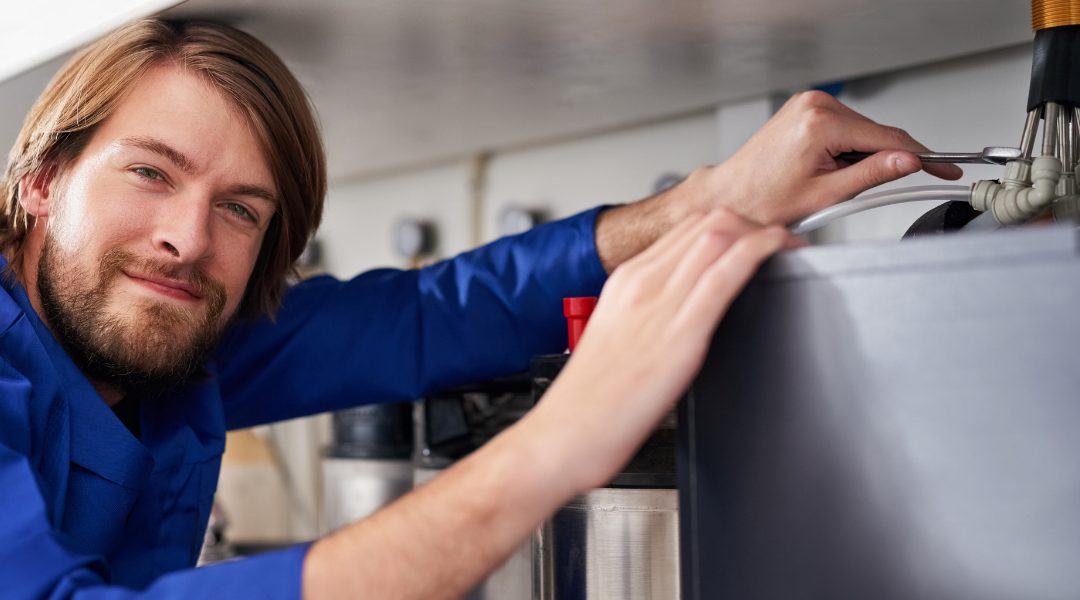
Envision starting your day without your routine warm shower. That currently establishes a poor tone for the remainder of your day.
Every residence needs a trustworthy hot water heater, but only a few understand exactly how to take care of one. One very easy way to keep your water heater in top shape is to check for mistakes regularly and fix them as soon as they appear.
Remember to shut off your hot water heater before sniffing around for faults. These are the water heater mistakes you are more than likely to run into.
Water also warm or as well cold
Every water heater has a thermostat that identifies how warm the water obtains. If the water entering your house is also warm in spite of setting a hassle-free maximum temperature, your thermostat could be damaged.
On the other hand, as well cold water may result from a stopped working thermostat, a broken circuit, or incorrect gas flow. For instance, if you use a gas hot water heater with a broken pilot burner, you would get cold water, even if the thermostat is in excellent condition. For electrical heating systems, a blown fuse may be the wrongdoer.
Insufficient warm water
Hot water heater come in lots of dimensions, depending on your hot water needs. If you run out of hot water prior to every person has actually had a bath, your water heater is as well little for your family size. You need to consider installing a bigger hot water heater container or going with a tankless hot water heater, which occupies much less room and is more durable.
Strange noises
There are at least five kinds of noises you can learn through a hot water heater, yet one of the most typical interpretation is that it's time for the water heater to retire.
First of all, you should know with the regular seems a water heater makes. An electrical heating system may sound various from a gas-powered one.
Popping or banging sounds generally indicate there is a slab of sediment in your containers, as well as it's time to clean it out. On the other hand, whistling or hissing audios may merely be your shutoffs letting some stress off.
Water leaks
Leakages could come from pipelines, water connections, shutoffs, or in the worst-case situation, the container itself. In time, water will certainly corrode the storage tank, and discover its escape. If this happens, you require to replace your hot water heater asap.
Nevertheless, prior to your adjustment your entire tank, make sure that all pipelines remain in area and that each valve works completely. If you still need help determining a leakage, call your plumber.
Rust-colored water
Rust-colored water suggests among your hot water heater components is corroded. It could be the anode rod, or the tank itself. Your plumber will be able to identify which it is.
Lukewarm water
Regardless of exactly how high you set the thermostat, you won't get any warm water out of a heating system well past its prime. A hot water heater's performance may decrease with time.
You will additionally obtain warm water if your pipelines have a cross connection. This means that when you activate a faucet, hot water from the heating system moves in together with regular, cold water. A cross link is simple to spot. If your warm water faucets still run after closing the water heater shutoffs, you have a cross connection.
Discoloured Water
Corrosion is a major cause of filthy or discoloured water. Corrosion within the water storage tank or a failing anode pole could trigger this discolouration. The anode pole protects the storage tank from rusting on the within and must be checked yearly. Without a pole or a properly working anode pole, the warm water quickly rusts inside the tank. Call a professional water heater service technician to establish if changing the anode rod will repair the issue; otherwise, change your hot water heater.
Verdict
Preferably, your water heater can last 10 years before you need a change. However, after the 10-year mark, you may experience any of these mistakes extra regularly. At this point, you need to include a brand-new water heater to your budget plan.
Common Water Heater Problems, Causes & Solutions
Hot water is key to many household activities. From cleaning and cooking to bathing and even for use with other appliances, water heaters are one of the most invaluable appliances in your home. When your water heater isn’t functioning like it should, you want it repaired fast. And while today’s water heaters are built to last, they are still susceptible to a few common problems.
Too Long to Reheat
If you have hot water but it takes forever for it to reheat, there are a few things you’ll want to check. First check that your thermostat isn’t set too low. If it is, your burner may simply not be putting out enough energy to heat your water efficiently. If you have a gas water heater, you’ll also want to check the gas connection. Poor gas pressure, a dirty vent flue or a dirty burner orifice could prevent proper gas flow, causing your heater to take too long to reheat. Cleaning these parts could solve your problem. Another reason your water heater could be taking too long to reheat is that it isn’t big enough and doesn’t have enough time to refill and heat up before being used again. You may need a larger capacity unity for you home.
No Hot Water
Waking up to ice cold water can be quite shocking, but don’t panic. The most common cause is an issue with your heat source. If you have an electric water heater, your heating element could have failed, or the electrical connection could have been impacted. For gas, it could mean a bad pilot light or faulty gas connection. If the pilot light is lit but the gas doesn’t ignite, then there could be an issue with the burner. If your water heater has an electronic ignition system, check to make sure the circuit to your water heater wasn’t tripped.
Waking up to ice cold water can be quite shocking, but don’t panic. The most common cause is an issue with your heat source. If you have an electric water heater, your heating element could have failed, or the electrical connection could have been impacted. For gas, it could mean a bad pilot light or faulty gas connection. If the pilot light is lit but the gas doesn’t ignite, then there could be an issue with the burner. If your water heater has an electronic ignition system, check to make sure the circuit to your water heater wasn’t tripped.
A strange smell coming from your hot water may indicate a buildup of bacteria in your water heater. You can try cranking up the heat to about 140 degrees Fahrenheit to kill off any bacteria in the tank. Just make sure you don’t use the hot water for serval hours after turning it back down to prevent serious burns. You can also try cleaning your tank with a chlorine bleach or hydrogen peroxide solution. The smell could also be caused by a bad anode rod that’s causing a reaction with the sulfate in the water and needs to be replaced.
Leaking Water
Perhaps the most common water heater issue is a water leak. Naturally, all water heaters can eventually leak as the water overtime corrodes the tank, causing microscopic cracks and fractures. However, a leak doesn’t always signify the end of your water heater’s life. A leak at the top of the tank could simply be from a loose connection that needs tightening. A leak from the bottom could be from condensation. Try turning up the thermostat. Water could also be leaking from the overflow pipe or pressure relief valve. These could be signs of corrosion and you should have your water heater checked as soon as possible.
As an avid reader about Common Problems with Your Home Water Heater, I think sharing that portion was sensible. Do you know about anybody else who is excited about the niche? Please feel free to share it. I treasure reading our article about Water Heaters Problems.
Get the best, ring us!